
A Safe Coaching Environment
A safe coaching environment is about more than completing a risk assessment. There are multiple types of safety measures which you should employ to help all of your players feel safe and happy. These are summarised below:
- Emotional Safety Measures create an environment where individuals feel safe to express themselves without fear of judgment, criticism, or rejection. This is crucial for psychological well-being.
- Procedural Safety Measures are documented rules, policies, and practices designed to ensure a safe and consistent approach to tasks, especially in workplaces and organizations.
- Supervision-based Safety Measures ensure the right people and the right number of people are present to help keep everyone safe.
- Physical Safety Measures are actions and systems that protect against physical harm, property damage, and unauthorized access. These are common in both public and private settings.
- Inclusion-based Safety Measures are adaptations which help to ensure that people with disabilities and those with additional needs can access the same or a comparable level of safety as others.
Task:
Preparing & Dismantling Equipment
Unlike some sports such as gymnastics, volleyball and tchoukball, dodgeball does not generally require the setup & dismantling of any specific equipment such as nets or apparatus for core gameplay.
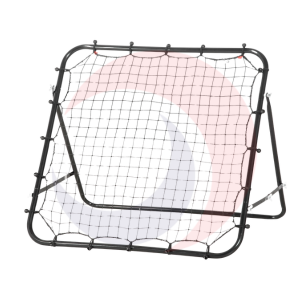
If you do plan to use any specific equipment for your sessions, such as rebound nets, then ensure you read the instructions to ensure they are set up safely and dismantle them at the end of the session to be stored.
An Inclusive Coaching Environment
Providing an inclusive coaching environment means:
Being Person-Centred:
- Build sessions around participants’ goals and preferences
- Cultivate a safe relationship
- Remove obstacles to help them grow
Being Engaging:
- Use variety, choice, and purposeful games that connect to real match-play scenarios
- Make sessions fun, using elements like small-sided games or creative themes to spark imagination and initiative
- Use well-aimed, powerful questions to help them explore new possibilities
Meeting Individual Needs:
- Learn each player’s strengths & weaknesses
- Use different types of guidance depending on their skill and experience level
- Consider their psychological, emotional, social & physical needs as well as skills
Being Challenging:
- Set progressive, achievable targets that stretch skills while preserving confidence
- Use the STEP principle to challenge/support players
- Encourage personal accountability
Task:
Think about the last time you lead a group of people and reflect on the following points:
- Did you ask about their goals or desires and use those to inform your planning?
- Did you treat them all as one blob (a group) or did you start to learn about, and adapt to, their individual behaviours and preferences?
- Did you purposefully plan activities which interested them and increased their participation levels?
- Did you set targets and make activities harder when they grew too comfortable with the task?
If you answered Yes to the majority of these questions, then chances are you are already well on your way to creating an inclusive coaching environment for that group. If you answered No to any of them, use the tips above to reflect on what you can do differently next time you lead that group.
Modelling
Demonstrate, or model, what ‘good’ looks like before each activity. If you physically can’t, then get an established player to do this for you. Use defined coaching points for each skills and tactic you focus on. This will make it more explicit to your players what they are meant to be working on, allowing them to focus more on the skill.
These can be taught autocratically (you telling them), or you can lead to them to the answers through trial and error or exploratory learning and discussion e.g. You have two minutes to practice hitting a small target and come up with a tip on how to throw harder.
Promoting a Growth Mindset
To help improve a person’s self-esteem, it is important to help them to silence any negative inner voices and encourage only positive thoughts. This can lead to the adoption of a growth mindset – watch the video below and learn more:
For example: ‘I didn’t catch the ball and therefore my team lost the match.’
Might be changed to: ‘I am disappointed about not catching the ball but the more I practice, the more I’ll catch it in the future.’
Task:
To help people adopt a growth mindset, it is important to focus on the positives in your session and allow for opportunities for people to positively reflect on their performance. This may include asking players to share with partners what they have done well or improved most.