

Dodgeball is a simple-to-setup sport that doesn’t need lots of expensive or specialised kit. In this lesson, we look at each element of what is actually required for dodgeball to be played safely in more detail.
Player Clothing & Personal Equipment
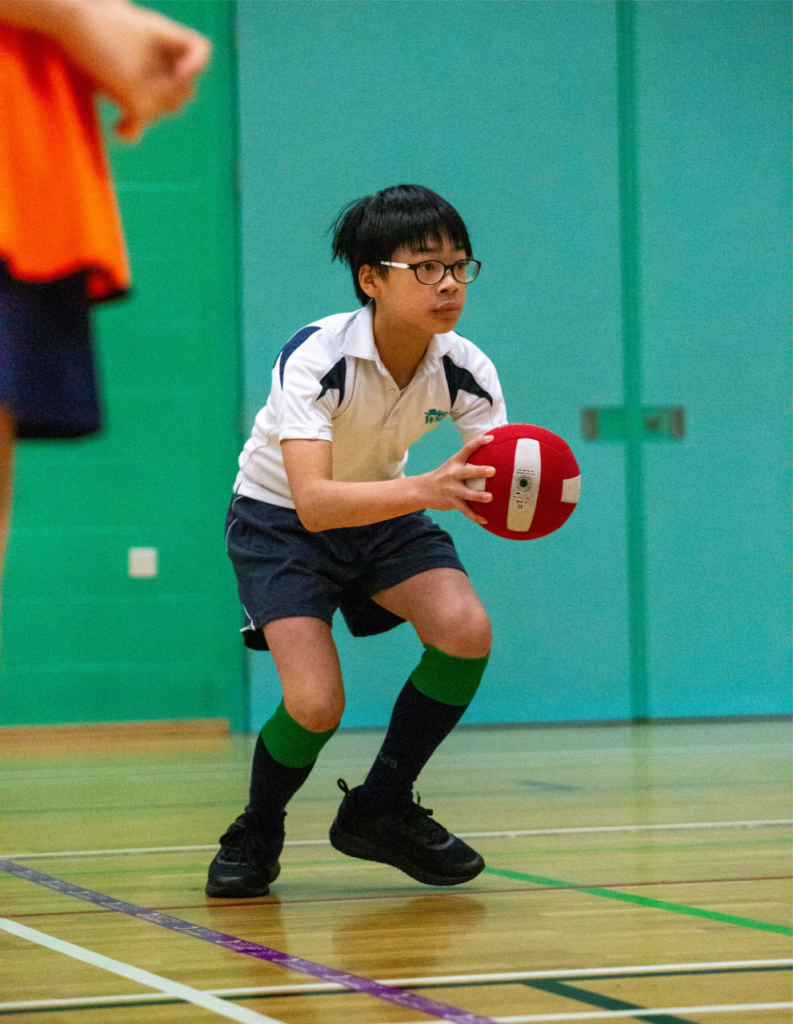
Casual Dodgeball
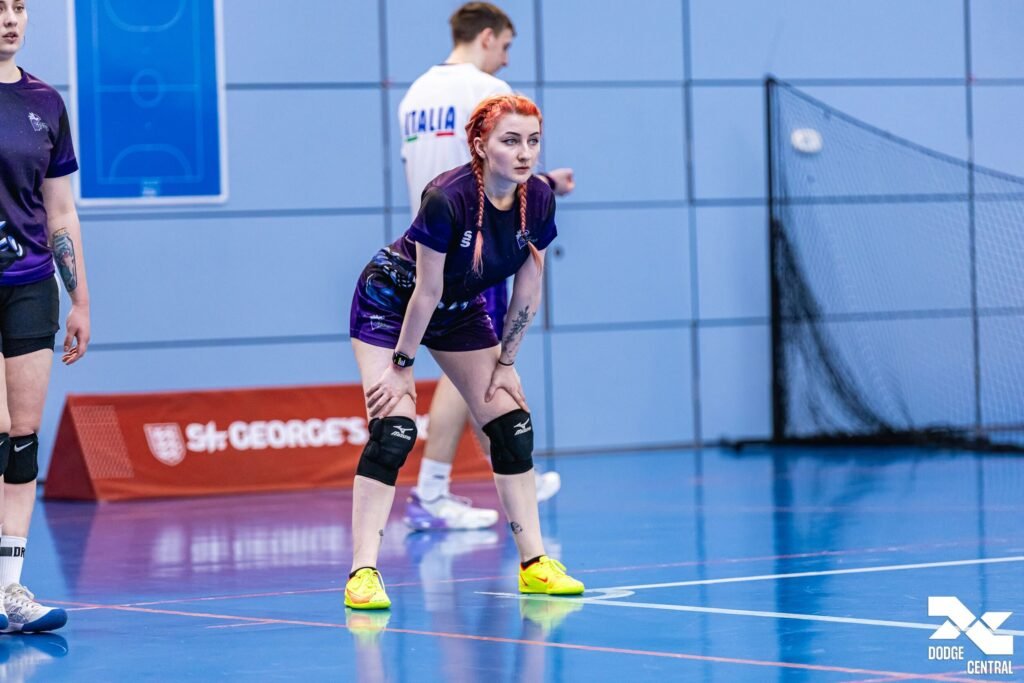
Competitive Dodgeball
Casual dodgeball should be played in sporty clothing and trainers, which makes it a very accessible sport.
For WDBF regulation matches, all players on a team must wear identical uniforms in colour and design, jerseys must display a unique number (0–99) and player name, and non-marking indoor sports shoes are required.
Like volleyball, lots of players choose to wear kneepads to protect their knees from fast dropping movements made when dodging and catching. They reduce risk of knee injuries during dives, slides, and sudden changes of direction.
Dodgeballs
The most important thing when planning any dodgeball-related activity is that the correct dodgeballs are used. This is important because of:
- Safety: The correct dodgeballs are designed to impact on the body safely, meaning impact injuries are very rare in dodgeball.
- Skill development: The right dodgeballs help players to develop their physical skills as they grow older. It wouldn’t be as fun if you used a ball which you couldn’t grip properly.
So what dodgeballs are used in cloth dodgeball?
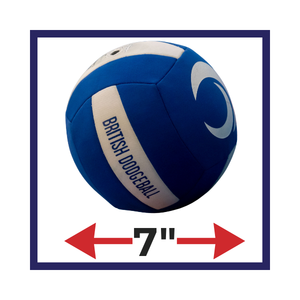
5x Size 3 (7-inch) cloth dodgeballs are used in regulated adult & u18 cloth dodgeball. This ball consists of a textured no-sting cloth outer layer, with 2-4mm layer of foam directly underneath, and a butyl bladder covered by webbing inside. Its inside pressure is 1.6 to 1.8 psi.
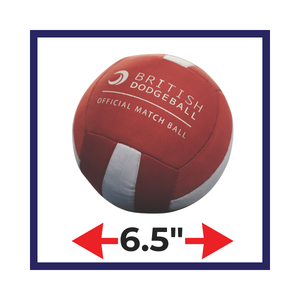
5x Size 2 (6.5-inch) cloth dodgeballs will be used for age groups such as u15 and u13 as teenagers progress from junior dodgeball. This is the exact same as the 7″ adult ball, just half an inch smaller in diameter.
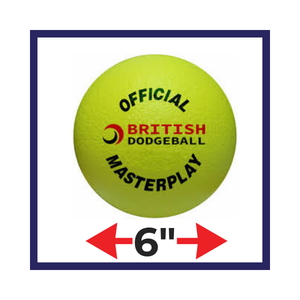
3x Size 1 (6-inch) foam dodgeballs are used for U11 – this is a safety adaptation before players progress to use cloth balls in older categories.
● Two balls are placed on outside marking lines for the rush.
● Advantage rules apply with the majority being 2 balls instead of 3 balls.
Task:
Can you match the right ball type to the right potential user?
Court Marking
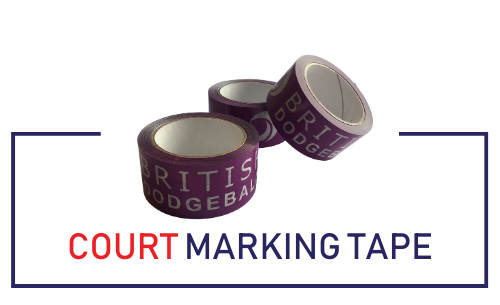
Next, it’s time to mark a court. You could just use cones or flat rubber floor markers if you are playing for fun, or adopt the use of existing floor markings if playing in a sports hall. Line marking tape is used in competitive dodgeball matches. This can be any hazard tape or marking tape, but care should be taken before you lay it down to ensure it will not damage the flooring.
Other Equipment
You may also want to use incorporate bibs, hoops, mats or larger cones depending on the activity if you are running a training session or a sports education lesson.
Task:
Match the equipment to it’s possible uses:
Referee Equipment
Referees in competitive dodgeball matches will need:
- A timer/stopwatch (2 timers if using half times and set times as per official WDBF competition rules rather than playing a pre-determined number of sets)
- A whistle
- A scoresheet/way of recording the score
- A scoreboard to display the current score